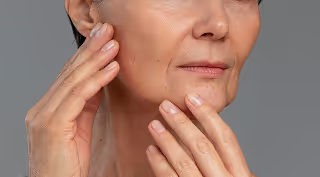


The pursuit of aesthetic perfection often culminates the moment a patient leaves the treatment room. Whether undergoing a laser resurfacing session, a dermal filler application, or a more intensive surgical procedure, the psychological finish line is frequently associated with the completion of the clinical appointment. This perspective ignores the physiological reality that the skin is a living organ that requires specific intervention to transition from a state of controlled trauma to one of rejuvenated health. Without a dedicated restoration phase, the initial investment in a cosmetic procedure can be compromised by inflammation, dehydration, and environmental stressors that hinder the natural healing cascade.
Understanding the complexity of the skin barrier is fundamental to recognizing why restoration is a non-negotiable component of any cosmetic plan. Modern aesthetic treatments often work by inducing a controlled healing response, signaling the body to produce collagen and elastin. However, if the skin lacks the necessary nutrients and protective environment to carry out these instructions, the resulting texture and tone may fall short of expectations. The overlooked nature of this phase stems from a cultural desire for instant gratification, where the downtime is viewed as an inconvenience rather than a vital period of biological reconstruction.
Bridging the gap between a clinical procedure and long-term satisfaction requires a shift in how patients perceive the recovery window. It is not merely a period of waiting for redness to subside, but an active phase of topical and internal support. When the skin is treated with the appropriate restorative agents, it can more effectively seal in moisture and defend against the oxidative stress that often follows professional interventions. This proactive approach ensures that the cellular turnover stimulated during the procedure leads to the highest quality of new tissue formation.
The Biological Necessity of Active Skin Recovery
The skin operates as a sophisticated defense system that is temporarily disrupted during most aesthetic treatments. When lasers or chemical peels remove the outer layers of the epidermis, the underlying tissue becomes vulnerable to trans-epidermal water loss. This dehydration can lead to a dull appearance and may even trigger a secondary inflammatory response that mimics the aging process. By prioritizing restoration, patients provide their skin with the structural components needed to rebuild the moisture barrier and maintain a resilient surface.
Furthermore, the synthesis of new structural proteins like collagen does not happen instantaneously. It is a slow, methodical process that occurs in the weeks following a treatment. During this time, the skin requires a specific environment characterized by low irritation and high nutrient availability. If the skin is neglected during this window, the collagen fibers may not organize correctly, leading to suboptimal firming effects. Restoration protocols provide the scaffolding and signaling molecules that guide this delicate biological assembly.
Many patients underestimate the impact that environmental factors have on a healing dermal layer. Sunlight, pollution, and even household heat can exacerbate the sensitivity caused by a clinical procedure. A structured restoration routine acts as a secondary shield, allowing the skin to focus its energy on repair rather than defense. The following sequence outlines the standard progression of a healthy recovery phase to ensure the best possible results.
- Cleanse the area with a gentle, non-foaming wash to remove debris without stripping essential lipids.
- Apply a high-molecular-weight hyaluronic acid serum to draw moisture into the deeper layers of the epidermis.
- Layer a lipid-rich emollient over the serum to create an occlusive seal that prevents water evaporation.
- Integrate a broad-spectrum mineral sunscreen every morning to protect the vulnerable new skin from ultraviolet damage.
- Monitor the skin for any signs of excessive redness or heat and adjust the frequency of topical application accordingly.
The immediate days following a procedure are the most critical for establishing this routine. Consistency during this period prevents the formation of crusting or excessive peeling that can lead to post-inflammatory hyperpigmentation. By adhering to a structured system, the skin can move through the inflammatory phase more quickly and enter the proliferative phase of healing. This transition is where the visible improvements in texture and tone actually begin to manifest.
Once the initial healing is complete, the focus shifts toward maintaining the newly repaired barrier. This involves a gradual reintroduction of active ingredients that support long-term skin health. Patients who skip this step often find that their results fade faster than anticipated because the underlying skin health was never fully stabilized. A comprehensive restoration plan ensures that the skin remains in a state of peak performance long after the initial procedure has concluded.
Identifying the Elements of Effective Restoration
Not all post-treatment products are created equal, and using the wrong formulation can actually set back the healing process. The goal of restoration is to soothe and rebuild, which requires ingredients that the skin recognizes and can easily utilize. Ceramides, fatty acids, and cholesterol are the building blocks of the skin barrier and should be at the forefront of any recovery kit. These ingredients fill the gaps between skin cells, preventing irritants from entering and moisture from escaping.
Antioxidants also play a pivotal role in the restoration journey. Procedures can sometimes generate free radicals as a byproduct of the body's inflammatory response. Introducing stabilized vitamins or botanical extracts can neutralize these molecules before they cause damage to the newly forming collagen. This protective layer is especially important for patients living in urban environments where air quality may be poor. The synergy between hydration and protection defines a successful restoration outcome.
The texture of the restorative products used is just as important as the active ingredients they contain. During the early stages of recovery, heavier creams are often preferred to provide maximum occlusion. As the skin heals, lighter lotions or gels may be more appropriate to prevent the clogging of pores. Understanding these nuances allows for a customized approach that respects the changing needs of the skin.
- Barrier Repair Creams: These formulations use biomimetic lipids to physically patch the damaged surface of the skin.
- Hydrating Serums: Concentrated liquids that deliver humectants like glycerin to plump the skin and reduce fine lines.
- Soothing Agents: Ingredients such as panthenol or allantoin that actively reduce the sensation of heat and itching.
- Mineral Protectors: Zinc oxide or titanium dioxide shields that offer physical protection without chemical irritation.
Selecting the right combination of these tools requires an understanding of the specific treatment performed. A deep laser treatment will require more intensive occlusion than a superficial chemical peel. Patients should always consult with their provider to ensure their at-home care aligns with the clinical goals of the procedure. This professional guidance removes the guesswork and prevents the use of products that might contain hidden irritants like fragrance or drying alcohols.
When these elements are combined effectively, the skin exhibits a healthy glow that goes beyond the immediate effects of the procedure. The restoration process essentially "polishes" the results, refining the surface and ensuring that the internal structures are robust. This level of care transforms a simple cosmetic fix into a comprehensive skin health transformation. Patients who embrace these details are the ones who typically report the highest levels of satisfaction with their aesthetic journey.
Common Misconceptions Hindering Recovery
A major reason restoration is overlooked is the prevailing myth that the skin "needs to breathe" during recovery. In reality, a wound or a treated area heals much more efficiently in a moist environment. Letting the skin dry out or form a scab can actually lead to scarring and uneven pigmentation. Modern dermatology emphasizes the importance of keeping the skin hydrated and covered to facilitate the migration of new cells across the treated surface.
Another misconception is that the discomfort felt after a procedure is a sign that the treatment is working and should be left alone. While some level of sensation is normal, prolonged inflammation is detrimental to the final result. Actively cooling and soothing the skin does not diminish the efficacy of the treatment; rather, it manages the body's response so that the repair process remains productive and controlled. Overlooking this leads to unnecessary downtime and potential complications.
Finally, many individuals believe that their standard skincare routine is sufficient for post-treatment care. Standard products often contain exfoliating acids or retinoids that are far too aggressive for compromised skin. Using these prematurely can cause chemical burns or severe sensitivity. A dedicated restoration phase requires a temporary departure from "anti-aging" actives in favor of "pro-healing" ingredients.
- Avoid hot water during the first forty eight hours to prevent increasing internal skin temperature.
- Use a clean pillowcase every night to minimize the risk of bacterial introduction to the treated area.
- Stay hydrated by increasing water intake to support the skin's internal moisture levels from within.
- Refrain from picking or peeling any loose skin to avoid creating micro-tears and permanent marks.
By debunking these myths, patients can approach their recovery with a clearer understanding of what their body requires. Education is the most effective tool for ensuring that the restoration phase is prioritized. When a patient understands the "why" behind each step, they are much more likely to comply with the protocol. This compliance is often the deciding factor between a good result and a truly exceptional one.
The psychological benefit of a structured recovery cannot be overstated. When a patient is actively participating in their healing, they feel more in control of the outcome. This reduces anxiety regarding temporary side effects like redness or swelling. Instead of seeing these as flaws, the patient views them as milestones in a well-managed biological process. This positive outlook contributes to an overall better experience with aesthetic medicine.
As the industry evolves, the integration of advanced topical technology into post-treatment care will only become more prevalent. We are seeing a move toward personalized restoration kits that are tailored to the individual's genetic skin markers. This level of precision ensures that the skin receives exactly what it needs to thrive. Regardless of the technology used, the fundamental principle remains the same: the journey does not end when the laser turns off.
The Role of Professional Guidance in Skin Health
Navigating the vast world of skincare can be overwhelming, especially when the skin is in a sensitive state. This is why the involvement of clinical experts is essential for a successful restoration phase. Professionals can monitor the progress of the skin and make real-time adjustments to the recovery plan. They can identify the subtle signs of a stalled healing process or an emerging sensitivity before it becomes a significant issue. This oversight provides a safety net that at-home care alone cannot offer.
Clinical professionals also have access to medical-grade formulations that contain higher concentrations of reparative ingredients than over-the-counter options. These products are often formulated with delivery systems that allow the actives to penetrate more effectively without causing surface irritation. By using professional-grade restoration tools, patients can accelerate their recovery time and enhance the longevity of their aesthetic improvements. This expert-led approach elevates the entire experience from a simple procedure to a luxury health service.
The goal of any aesthetic intervention is to help the patient feel like the best version of themselves. This feeling is sustained when the skin looks healthy, vibrant, and resilient over the long term. Professional guidance ensures that the initial "spark" of a treatment is fanned into a lasting glow. The partnership between the patient and the clinical team is the most effective way to guarantee that no part of the journey is overlooked.
Maximizing Longevity Through Restorative Care
The true value of post-treatment restoration lies in its ability to protect the initial investment. Aesthetic procedures can be a significant financial and emotional commitment, and neglecting the recovery phase is akin to buying a luxury vehicle and never changing the oil. By establishing a robust restorative foundation, the skin is better equipped to maintain the structural changes achieved during the procedure. This results in a more natural appearance that ages gracefully over time.
Key takeaways for a successful journey include the recognition that inflammation must be managed, hydration must be prioritized, and protection must be absolute. These three pillars support the skin as it undergoes the complex transition from treated to transformed. When patients view restoration as an integral part of the treatment itself, they unlock the full potential of modern aesthetic medicine. The result is not just a temporary fix, but a meaningful improvement in the health and quality of the skin.
Moving forward, the conversation around aesthetic treatments should always include a detailed discussion of the restoration phase. This transparency allows patients to plan their lives and their skincare budgets more effectively. It also sets realistic expectations for the timeline of results. By bringing the overlooked aspects of the journey into the light, we can ensure that every patient achieves the radiant, healthy skin they deserve.
Frequently asked questions
How long does the primary restoration phase typically last after a laser treatment?
The initial restoration phase usually spans between seven and fourteen days, although the experts at Epione note that deep cellular remodeling continues for several months. During the first week, the focus is on barrier repair and moisture retention, while the second week involves stabilizing the new skin surface.
Can I use my regular vitamin C serum immediately after a procedure?
It is generally advised to pause high-concentration actives like vitamin C until the skin barrier has fully closed. Dr. Simon Ourian often recommends waiting until the initial redness has subsided before reintroducing potent antioxidants to avoid stinging or irritation.
Why is sun protection emphasized so heavily during the recovery period?
Freshly treated skin lacks the natural melanin protection of the older layers, making it extremely susceptible to UV damage and hyperpigmentation. The clinical team at Epione emphasizes that even brief exposure to the sun without a mineral shield can cause permanent darkening of the treated area.
Is it possible to over-moisturize the skin during restoration?
While hydration is vital, using excessively heavy products on oily skin types can sometimes lead to breakouts or "milia." At Epione, the approach is to balance occlusion with the patient's specific skin type to ensure the pores remain clear while the barrier is being repaired.
What are the signs that my skin restoration is not progressing correctly?
If you experience increasing pain, spreading redness, or the appearance of small yellow crusts, you should contact your provider immediately. Dr. Simon Ourian suggests that while some peeling and pinkness are normal, any symptoms that worsen after the third day should be professionally evaluated.
Does diet play a role in how well my skin restores itself after an aesthetic journey?
Systemic health significantly influences local skin repair, as the body requires protein and vitamins to synthesize new tissue. The experts at Epione often suggest a diet rich in omega-3 fatty acids and antioxidants to support the topical restoration efforts from the inside out.
How does restoration differ for non-invasive treatments versus surgical ones?
Non-invasive treatments typically focus on epidermal repair, while surgical recovery requires a deeper emphasis on tissue integration and scar management. Regardless of the depth, Epione ensures that the surface of the skin is always supported to prevent dehydration and environmental stress.
Will skipping the restoration phase make my treatment ineffective?
While the treatment may still show results, skipping restoration often leads to a shorter duration of those results and a higher risk of complications. According to Dr. Simon Ourian, the quality of the "new" skin is directly dependent on the care it receives during its most vulnerable state.