Facial Sculpting & Contouring
Refine facial structure and restore youthful definition without surgery.
Refine facial structure and restore youthful definition without surgery.

Advanced laser and dermatologic treatments to correct tone, texture, and visible damage.
Sculpt, firm, and tone the body with non-invasive technology and precision treatments.
Targeted treatments designed to restore subtle youthfulness and skin vitality.


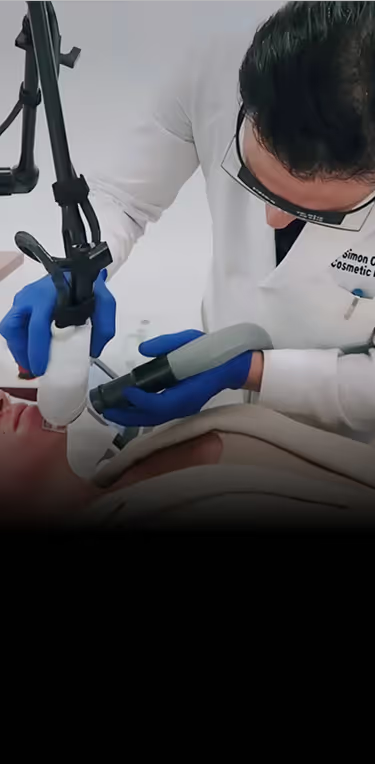
While melasma may eventually fade on its own, it can be challenging to feel confident when suffering from melasma. Fortunately, Epione provides effective melasma treatment in Beverly Hills. Our nonsurgical treatments can deliver the results you want with modern treatment options.
Melasma is a skin condition that is physically harmless but can still significantly impact a patient’s life. It appears as light to dark brown or blue-gray patches on the skin. The shape and pattern can vary widely, so it is important to have a skin expert diagnose your condition to differentiate it from other possibilities. Pregnant individuals are most commonly affected, and symptoms can worsen during summer. Importantly, melasma is not contagious, nor is it a sign of an infection.

While melasma may eventually fade on its own, waiting for that possibility often simply is not worth it. Day after day, you may see no improvements while still dealing with the changes in your appearance and their effect on self-confidence. Dr. Ourian provides laser treatment as a highly consistent path toward clearing away melasma.
Laser treatments are very well-tolerated among patients of all ages. Even patients with sensitive skin respond well to the custom-made Coolaser system used by Dr. Ourian at his practice. He worked directly with top engineers to create this custom system that enhances patient comfort while also delivering apical results. The treatment requires no anesthesia, and it typically only feels like a rubber band snapping against the skin.

Patients tend to begin seeing improvements about one week after their first laser treatment for melasma. Around this time, the upper layer of skin should have flaked off, revealing healthier skin below. Depending on the severity of your symptoms, you may need a regimen of severalsessions to restore your skin. During your consultation, Dr. Ourian will go through your entire plan and outline what the timeline will look like for you to reach your goals.

Additionally, it is important to identify any factors that may be contributing to outbreaks of melasma. For example, certain oral contraceptives and hormones may further increase your risk of developing melasma again. Furthermore, dietary elements can also have a protective or exacerbative effect on melasma symptoms.
Dr. Ourian will also provide additional instructions as needed to help ensure your results are long-lasting. Based on your condition and type of skin, Dr. Ourian may also advise on skin products that can help keep your results stable.

The Coolaser system can help with melasma, but one of the added benefits is that it improves your skin overall. While you may just be seeking improvements to melasma, the treatment can also tighten loose skin and improve overall skin texture. Thus, patients receive the benefits of multiple treatments in a single visit. Each treatment can boost collagen production and improve the overall health of the skin cells that make up the upper layers of your skin.

Deciding whether to pursue a laser melasma treatment depends on how suitable it is for your situation. For example, melasma may be much more difficult to resolve while still pregnant or taking hormone contraceptives. The first step is to discuss your situation with Dr. Ourian during a consultation. He has worked with hundreds of patients experiencing melasma and built effective treatment plans for them.

If you are seeking treatment for melasma in Beverly Hills, Epione is here to help. While melasma is not dangerous in terms of health, its impact can still be significant. Facial skin discoloration can especially have a negative impact on your overall quality of life. At Epione, we offer fast and effective treatments to help you take back control over your skin. Book your consultation today with Dr. Ourian to stand up for yourself and rediscover clear and radiant skin.

Simon Ourian™, M.D., practices cosmetic dermatology by vocation and is a sculptor by avocation—but in Dr. Ourian’s mind, they are indivisible. “It is the study of human anatomy and the classic art of sculpting that has been the most vital aspect of what has helped me achieve natural, realistic results for my patients over the years.”
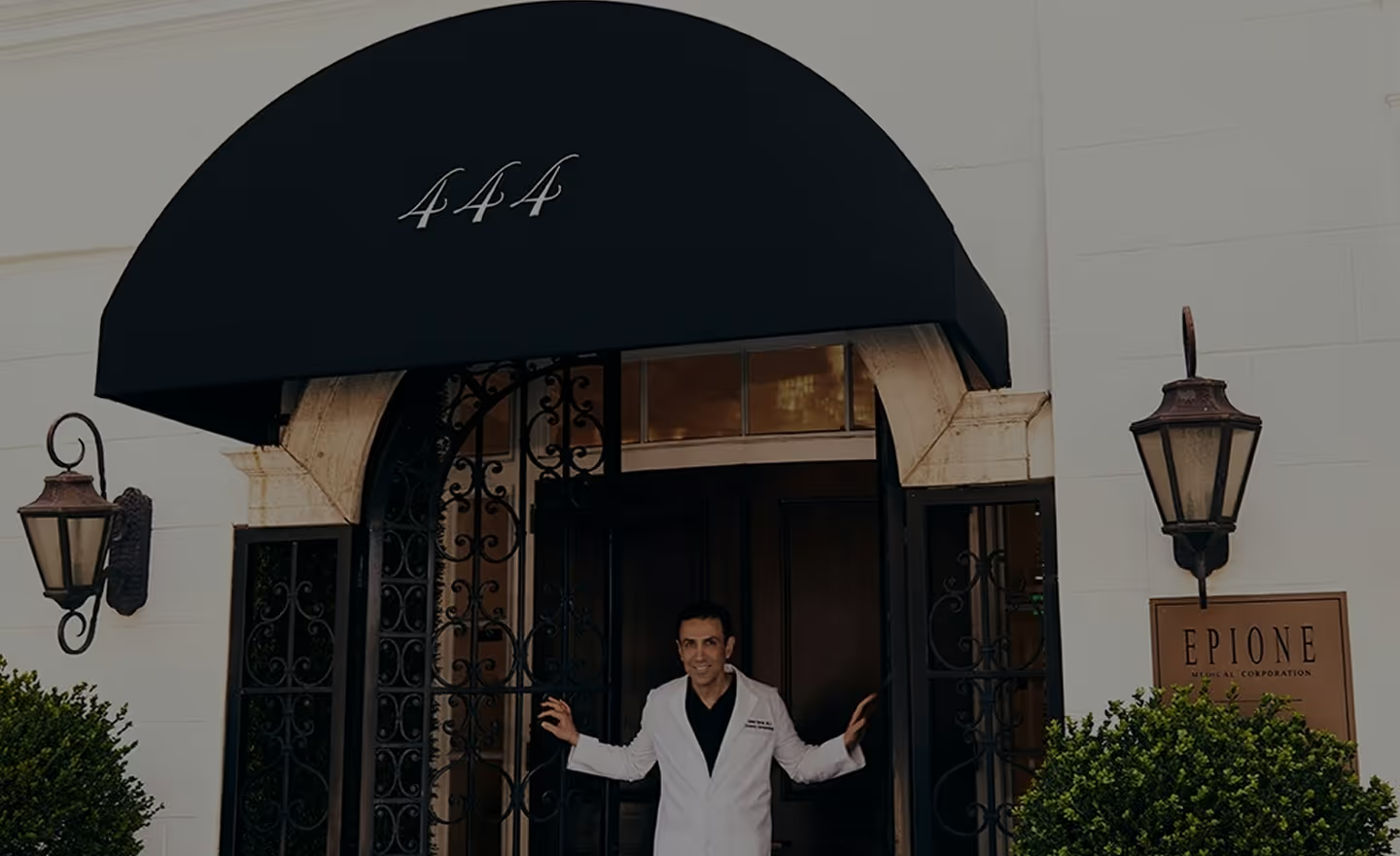
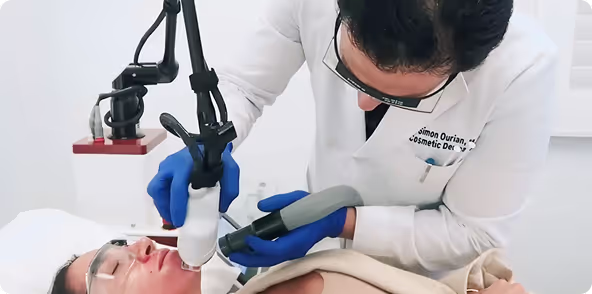


We perform every treatment with precision and care to achieve the results you want. Achieve stunning results through proven treatments matched to your unique beauty.
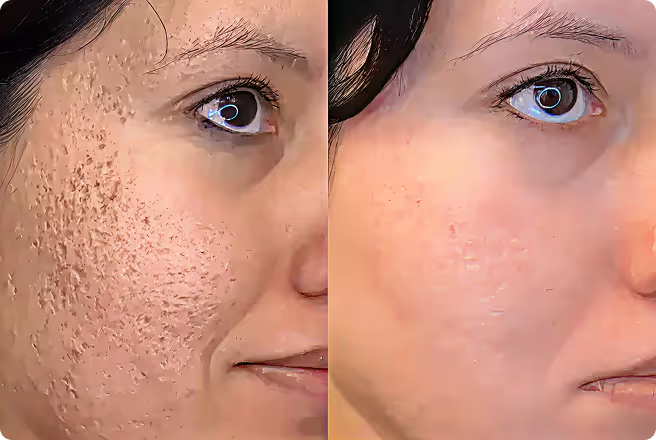
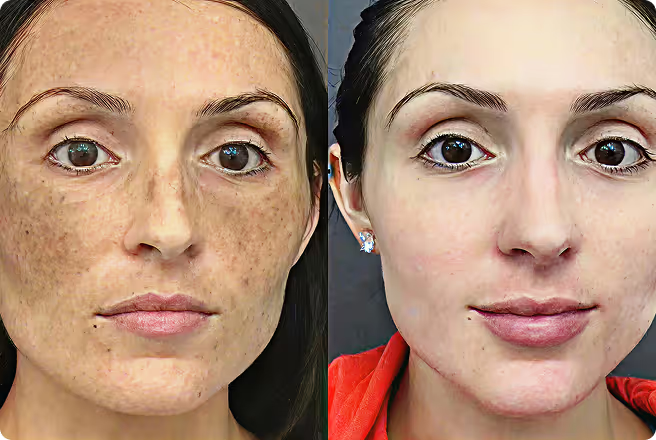
If you want to look more vibrant and youthful, we invite you to book a consultation with Dr. Ourian at Epione today. We’ll help you customize a treatment plan that meets your aesthetic needs and give you the results you desire in minutes, not weeks or months. Get ready for a refreshed complexion right away! Contact us now to learn more about dark circle removal in Beverly Hills with a leading physician for cosmetic dermatology.

Melasma is a common pigmentation disorder that results in brown or gray‑brown patches, typically on sun‑exposed areas like the cheeks, forehead, and upper lip. It is influenced by factors such as ultraviolet exposure, hormonal changes, and genetic predisposition, which can stimulate excess melanin production in the skin. Certain medications and pregnancy‑related hormone shifts can also trigger or worsen pigmentation. At Epione, clinicians assess these contributing factors to determine the most effective treatment strategy. Dr. Simon Ourian explains that understanding the root causes helps guide personalized protocols for reducing visible melasma.
Non‑surgical melasma treatments use combinations of advanced lasers, topical agents, and light‑based therapies to target excess pigmentation and encourage even skin tone. Laser and energy‑based technologies break up melanin clusters in affected areas, while prescription skincare supports barrier health and prevents new pigmentation from forming. The experts at Epione integrate these approaches based on each patient’s skin type and severity of melasma for balanced improvement. Dr. Simon Ourian notes that combining technologies often enhances outcomes more than a single modality alone. Customized treatment plans help patients achieve gradual, sustained reduction in melasma.
A typical melasma treatment session begins with a thorough evaluation of skin tone, pigmentation pattern, and overall skin health. Depending on the selected method, procedures may include gentle laser energy, targeted light therapy, or application of medical‑grade topical agents. Many patients receive topical numbing or cooling to ensure comfort during treatment. At Epione, clinicians explain each step and adjust intensity based on patient comfort and response. Dr. Simon Ourian explains that these sessions are designed to be minimally invasive while addressing pigmentation effectively.
Results from melasma treatments often develop gradually over a series of sessions rather than immediately after a single procedure. Some patients notice subtle lightening and improvement in tone within a few weeks as melanin disperses and the skin regenerates. Full benefits usually appear over multiple treatments as pigmentation breaks down and new, healthier skin replaces affected areas. At Epione, treatment plans are structured with realistic timelines and follow‑up visits to monitor progress. Dr. Simon Ourian emphasizes that consistency and patience are key, as melasma is a chronic condition that often requires ongoing management.
Good candidates for melasma treatment are individuals with visible pigmentation that affects their complexion and who are committed to following a structured treatment and maintenance plan. Because melasma can be influenced by hormones and sun exposure, ideal candidates are also willing to adhere to sun protection and lifestyle modifications. At Epione, clinicians assess skin type, pattern of pigmentation, and overall medical background to recommend appropriate therapies. Dr. Simon Ourian explains that personalized evaluation ensures the safest and most effective approach for each patient’s unique presentation.
Recovery after melasma treatments is generally mild and focused on nurturing the skin while it heals and maintains results. Some patients may experience temporary redness, slight sensitivity, or flaking as the skin responds to energy‑based treatments or prescription skincare. These effects usually resolve within a few days with proper aftercare. The experts at Epione provide guidance on protecting the skin, including strict sun avoidance and medical‑grade sunscreens. Dr. Simon Ourian emphasizes that diligent care after treatment supports melasma reduction and helps prevent regression.
Long‑term management of melasma involves a combination of ongoing sun protection, medical‑grade topical regimens, and periodic maintenance treatments where appropriate. Sun exposure is a major trigger for melasma, so daily use of broad‑spectrum sunscreen and physical barriers like hats plays a crucial role. At Epione, the team often recommends tailored skincare routines that help regulate melanin production and reinforce the skin barrier. Dr. Simon Ourian explains that sustained management — rather than one‑time treatment — is key to minimizing recurrence and maintaining a more even complexion.
Please complete the form below. We’ll do everything we can to respond to you as quickly as possible.