Facial Sculpting & Contouring
Refine facial structure and restore youthful definition without surgery.
Refine facial structure and restore youthful definition without surgery.

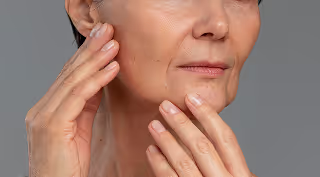
Advanced laser and dermatologic treatments to correct tone, texture, and visible damage.
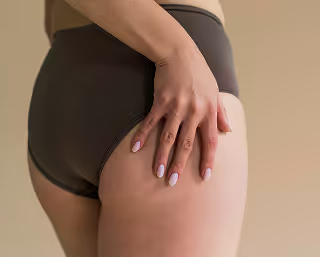
Sculpt, firm, and tone the body with non-invasive technology and precision treatments.
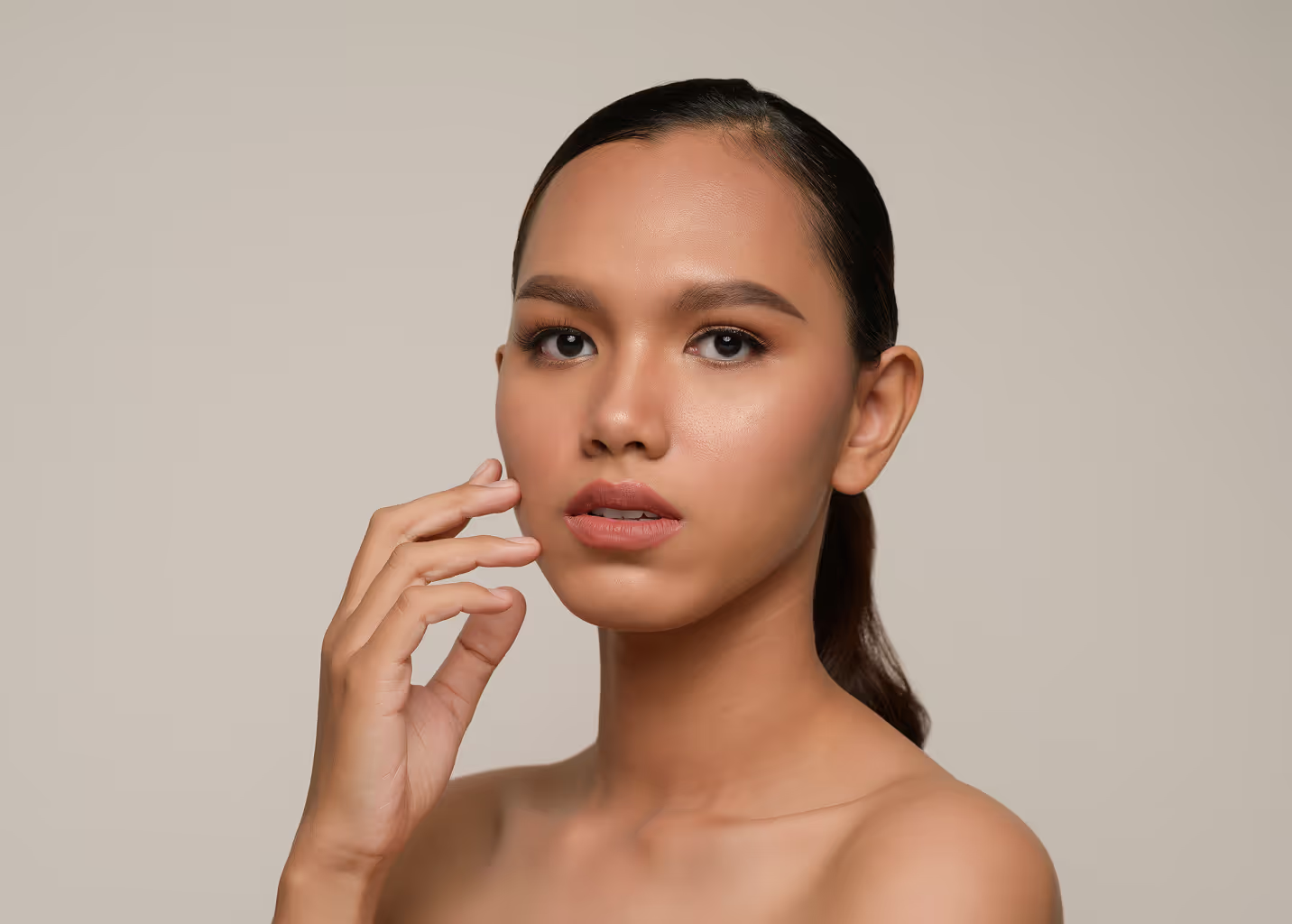
Targeted treatments designed to restore subtle youthfulness and skin vitality.


This article addresses the challenges of patches or discoloration in the delicate skin beneath our eyes. The presence of melasma in this area can overshadow our radiance. This article will help you understand, tackle, and regain clarity in your under-eye skin. Melasma under the eyes presents difficulties, so let us know the factors contributing to this condition, its symptoms, and a range of treatment options that can effectively clear those shadows.
Melasma under the eyes refers to patches or discoloration that occur specifically in the region beneath our eyes. It differs from Melasma in areas due to its location and because treating this delicate skin requires special attention as it is more prone to pigmentation changes.

The primary factors that cause and trigger melasma beneath the eyes are often connected to sun exposure, hormonal changes, and genetic predisposition. The skin in this area is particularly prone to pigmentation changes, which makes it a common location for melasma development.
Common visual signs of melasma beneath the eyes include patches or discoloration, often appearing in a pattern. Individuals can identify these features by noticing pigmentation in the under-eye area, which creates shadows or dark circles.
Treatment options for Melasma beneath the eyes may involve using agents, chemical peels, or laser therapy. These treatments work by targeting melanin production, exfoliating pigmented skin cells, or directly addressing pigmented cells. Ultimately, they aim to improve skin tone and pigmentation in this area. It is important to consult a dermatologist when choosing a treatment option.Typically, it can take a week to a month to observe noticeable improvements when undergoing Melasma treatment for the under-eye area. However, the duration of these results varies from person to person. To ensure lasting benefits, it is crucial to maintain treatments and practice diligent skincare.In summary, achieving a more vibrant future dealing with Melasma around the eyes demands dedication and perseverance. By comprehending the condition, embracing remedies, and seeking expert advice when necessary, we can unveil our inner radiance and self-assurance. Contact Dr. Ourian's office today to start your journey.
The presence of Melasma on the face marked by patches in shades of brown can present both physical and emotional challenges. In this exploration, we explore aspects of Melasma as it pertains specifically to facial skin. We uncover its symptoms, explore treatment options, and guide you toward reclaiming the beauty that rightfully belongs to you. Join us as we traverse through strategies and solutions that promise a radiant complexion.
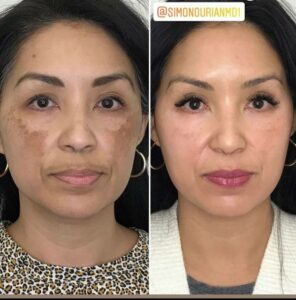
Melasma is a skin condition characterized by the development of gray-brown patches commonly occurring on the face. It specifically affects the skin by causing pigmentation and dark discoloration issues that can be distressing for individuals seeking clear and radiant complexions.
Melasma on the face typically shows up as patches or blotches, mainly on the cheeks, forehead, upper lip, and chin. These patches can vary in size and pigmentation intensity and are usually found symmetrically on both sides of the face.

Preventing Melasma on the face is quite challenging. However, there are measures you can take to reduce the risk. Consistently using spectrum sunscreen for sun protection, wearing clothing, and avoiding excessive sun exposure are recommended. It is also worth considering genetics as they can influence Melasma development. Consulting a dermatologist would be wise to assess your risk and develop strategies for melasma treatment and prevention.
There are treatment options for Melasma on the face, including agents, chemical peels, and laser therapy. These treatments target melanin production to address pigmentation. Topical agents like hydroquinone help reduce production, while chemical peels exfoliate pigmented skin. Then, laser therapy targets pigmented cells in order to improve skin tone. The choice of treatment depends on factors such as the type and severity of Melasma. Therefore, it should be discussed with a dermatologist.
The timeline for improvements from Melasma treatment on the face can vary. Many individuals may start seeing improvement within a few weeks to a few months. The duration of these results differs from person to person. It is crucial to continue with maintenance treatments and sun protection to ensure lasting benefits.In summary, the impact of Melasma goes beyond the surface of your skin. Armed with knowledge and effective treatment strategies, you can reveal the radiant complexion you deserve. As you embark on your journey towards reclaiming your beauty, remember that making choices, seeking guidance, and maintaining a consistent skincare routine is key. Embrace your beauty and let your face radiate confidence and grace.Start your journey with us today. Schedule an appointment today.
Pregnancy is often associated with a glow, but it can also bring forth the perplexing emergence of melasma, which is characterized by brown or gray-brown patches on the skin. This article aims to unravel the secrets behind why and when melasma appears during pregnancy. It offers insights to mothers and those planning for pregnancy as they navigate this fascinating yet challenging journey. Let us embark on a quest to understand the nature of melasma during pregnancy. Visit Epione in Beverly Hills for additional information.
Melasma refers to a skin condition where brown or gray-brown patches develop on the skin of the face and are closely linked to the changes that occur during pregnancy. Melasma can be triggered by pregnancy hormones such as estrogen and progesterone. During pregnancy, melasma typically appears in the 2nd trimester, although it can manifest at any point during pregnancy and may persist after childbirth. The primary culprits behind melasma during pregnancy are hormonal fluctuations; elevated levels of estrogen and progesterone stimulate the production of Melanin, and the interaction between these hormones contributes to the development of melasma.
Healthcare professionals usually diagnose melasma by examining the skin. There are no tests needed for diagnosis.
To prevent melasma, pregnant individuals can take the following measures:
During pregnancy, there are limited effective treatment options for melasma due to risks to the developing baby, so it is advisable to consult healthcare before attempting any treatment. After giving birth, non-invasive treatments and topical products may be considered under the guidance of a qualified dermatologist. In conclusion, the mysteries surrounding melasma during pregnancy serve as reminders of the transformations our bodies undergo. While safe treatment options are limited during pregnancy, seeking advice from a qualified dermatologist is always the best decision. Remember that the beauty of motherhood surpasses any concerns about pigmentation, and the radiance of pregnancy shines through regardless of melasma. Contact Dr. Ourian to learn more.
Melasma, which manifests as gray-brown patches on the skin, presents a challenge. This article aims to uncover the art and science behind chemical peels, illustrating how they can significantly enhance skin tone. Throughout this transformative journey, we encourage you to discover the precision, effectiveness, and artistry of chemical peels in addressing Melasma. With the knowledge and approach, achieving more radiant skin becomes attainable.
Here is how they actually work:1. Exfoliation: Chemical peels involve applying a solution that contains agents like alpha acids (AHAs), beta hydroxy acids (BHAs), or trichloroacetic acid (TCA) to your skin. These agents cause controlled chemical exfoliation.2. Pigment removal: The chemical solution works by removing the layer of your skin where the pigmented cells are concentrated. This process helps shed the pigmented cells and encourages pigmented skin to grow.3. Stimulating skin renewal: chemical peels stimulate your body's natural renewal process. This prompts the development of skin cells and collagen, resulting in a smoother and even skin tone.For Melasma treatment, chemical peels can be particularly effective in addressing surface-level irregularities caused by pigmentation. The type and strength of the chemical peel can be adjusted based on the severity of Melasma, and multiple sessions may be necessary for results. A dermatologist can determine which peel is most suitable for an individual's skin type and Melasma subtype.
The effectiveness of chemical peels varies depending on the depth and type of Melasma. It is important to consult with a dermatologist to assess the subtype and characteristics of your Melasma before considering chemical peel treatment.
The effectiveness of chemical peels depends on their depth;1. Superficial peels: These are less invasive and are suitable for treating surface levels. They provide milder improvement with minimal downtime.2. Medium peels: These can effectively treat some cases of both surface levels, and they offer improvement but may require longer recovery time.3. Deep peels: Deep peels are rarely used for treating Melasma due to the increased risk of complications involved. They are typically reserved for cases that require medical supervision.The choice between these types of chemical peels depends on factors such as the type and severity of your Melasma, your individual skin characteristics, and the desired level of improvement. It is crucial to have a consultation with a dermatologist to determine which type would be most suitable for you.
Chemical peels for Melasma may come with effects like redness, swelling, peeling, and changes in pigmentation. However, following treatment care guidelines and using sun protection can help minimize these risks. It's important to consult with a dermatologist to effectively manage any reactions.
You can typically see improvements in Melasma within a week to a few months after getting chemical peel treatments. The duration of the results varies from person to person; consistent maintenance treatments along with sun protection are vital for longer-lasting benefits.In summary, through our exploration of these treatments' precision and effectiveness, we have uncovered a pathway to achieving more radiant skin. It is important to remember that this journey should be guided by dermatologists' expertise and followed by a treatment routine that includes proper sun protection and care. So embrace the possibilities that chemical peels offer and uncover the radiance waiting to be revealed at Epione in Beverly Hills.
This article will explore laser therapy as a remedy for melasma, a common and often challenging skin condition. Let us explore the intricacies of using laser precision to treat melasma, shedding light on the mechanisms and outcomes of this approach, which aims to demystify how laser technology is applied in treating melasma, revealing its ability to target and transform pigmented skin. With effective laser therapy, there is potential to restore clarity and confidence to those dealing with melasma.
In melasma treatment, laser technology employs beams of light to specifically target and break down excessive pigmentation in the skin.Selective photothermolysis is a process wherein laser systems emit chosen wavelengths of light that are absorbed by melanin (the pigment) present in melasma patches. This process is known as photothermolysis. Laser treatment focuses on targeting the melanin in pigmented areas, causing the pigment cells to be destroyed or fragmented. Over time, the body's natural processes eliminate the pigment, allowing the skin to gradually regain an even tone. Laser therapy is effective in treating melasma as it specifically targets areas while leaving the surrounding skin unaffected. However, its success may vary depending on factors such as the type and severity of melasma, the specific laser used, and individual skin characteristics. Optimal results often require sessions, so it is crucial to consult with a dermatologist to determine the suitable laser approach for managing melasma.

Laser therapy is primarily used for improving and managing melasma rather than completely eliminating it. Melasma can be challenging to eradicate. Laser treatment can help reduce pigmentation appearance and enhance overall skin tone. It is important to remember that management strategies and sun protection play a role in maintaining outcomes.
The use of laser treatment for melasma may have some side effects like skin redness, swelling, and changes in pigmentation. However, these risks can be minimized by choosing the type of laser and following care after the treatment. It is important to consult a dermatologist to manage these risks and create a treatment plan.
Typically, noticeable improvements can be seen after sessions of laser treatment for melasma. The duration of results may vary. With maintenance and sun protection, they can last for a significant period of time. To maintain the effectiveness of Melasma laser treatment, it is recommended to follow a skincare routine that includes cleansing, moisturizing the skin, and protecting it from the sun using a broad-spectrum sunscreen. Additionally, wearing clothing and minimizing sun exposure are measures for maintaining the effectiveness of this treatment.In summary, through our exploration of laser technology, we understand its ability to rejuvenate skin that is affected by pigmentation concerns. It is important to keep in mind that achieving clearer and more radiant skin requires the guidance of dermatologists and a commitment to a treatment routine that includes sun protection and proper care. Embrace the potential that laser therapy provides, allowing your inner radiance to shine brightly with Dr. Ourian's treatments.
Melasma is a common misunderstood skin condition that poses challenges for those who experience it. By shedding light on its causes, unraveling the range of symptoms, and exploring melasma treatment options, our aim is to provide a comprehensive guide that helps individuals gain a better understanding and manage this intricate condition.
Melasma is a skin condition characterized by the appearance of gray-brown patches on the skin typically found on the face. These patches frequently manifest on areas such as the cheeks, forehead, nose, chin, and above the lip. Melasma falls under hyperpigmentation, a phenomenon where certain areas of the skin become darker due to a production of melanin. Melanin is the pigment for determining skin color as well as hair and eye color.
Melasma can arise at points in an individual's life with no fixed onset pattern. However, it tends to become more prominent in situations such as:
It is important to remember that while these triggers are commonly associated with melasma, not everyone who experiences them will develop the condition. Furthermore, addressing these triggers may lead to fading or improvement of melasma. It can be a recurring issue if proper sun protection measures are not consistently followed. Consulting with a dermatologist is recommended to determine the causes of melasma and develop a treatment plan.
The primary indication of melasma is the appearance of gray-brown patches. Melasma patches that usually appear on areas like the cheeks, forehead, nose, chin and above the lip. Some common signs and characteristics of melasma are:
While melasma is primarily a concern and does not cause discomfort or health issues its presence can greatly impact a person's self confidence and overall quality of life. You may schedule an appointment with us today if you suspect you have melasma or notice any changes in your skin for proper diagnosis and appropriate treatment options.
It is important to consult a dermatologist for a treatment plan to address your case of melasma.
It is important to note that complete eradication may be challenging. However, with treatments and careful management, it is often possible to improve the appearance of melasma and reduce its effects significantly. Many individuals experience a reduction in the visibility of melasma patches, some even achieve a more even skin tone. It is crucial to understand that without management, there is a chance for melasma to recur. Therefore, taking measures such as sun protection plays a role in preventing its return.In conclusion, understanding its causes, recognizing its symptoms accurately, and exploring treatment options available is important because, with this knowledge and resources, you can effectively navigate your journey with Melasma. Just keep in mind that dealing with melasma can be tough, but with the help of a dermatologist, you can effectively manage it. Embrace the process of improving your skin's health and radiance and let your natural beauty shine through at Epione.
In this article, we will explore melasma, a challenging skin condition that can impact both your complexion and confidence. Melasma-related skin discoloration characterized by gray-brown patches often leads to frustration. Our aim is to provide you with knowledge and practical approaches to help you achieve more radiant skin. Throughout this exploration, keep in mind that understanding melasma and its treatment is the step towards transforming your skin and embracing the beautiful complexion you deserve. Contact us today to learn more about treatment options.
Melasma and its associated skin discoloration have interconnected causes. Hormonal changes play a role in triggering melasma. There are factors that can contribute to changes in skin pigmentation. These include:
Certain areas of the skin that are particularly sensitive to changes tend to be more prone to melasma. These areas typically include the cheeks, forehead, nose, chin, and upper lip region. Other contributing factors may include thyroid disorders and specific medications like antiseizure drugs or certain cosmetics. Understanding these causes is essential for developing strategies aimed at managing and treating melasma-related skin discoloration.
There are treatment options for melasma-related skin discoloration:
When it comes to melasma and skin discoloration, a complete cure is difficult to achieve. There are ways to manage and improve the condition. Treatment mainly focuses on reducing pigmentation and preventing discoloration through lifestyle changes and consistent sun protection.In conclusion, while melasma presents its challenges there are numerous strategies that can help you achieve a clearer and more radiant complexion. Remember that successful management and improvement are possible through treatments, lifestyle adjustments, and sun protection. Embrace the path towards beautiful skin and let your confidence shine through with Dr. Simon Ourian.
This article explores surgical methods for achieving smoother, more youthful skin. Let us uncover the transformative procedures designed to rejuvenate your skin and help you achieve a youthful look. Let us use the technologies and techniques that have revolutionized wrinkle removal surgery, including facelifts, brow lifts, surgery, and neck lifts. Discover the benefits, considerations, and steps towards embracing a version of yourself by exploring these surgical options for wrinkle removal.
There are procedures that can be used to address different types of wrinkles and specific areas of concern. Some common surgical procedures for wrinkle removal include:1. Facelift (Rhytidectomy): A facelift is a procedure that targets sagging skin and wrinkles on the lower face and neck. It involves the removal of skin, tightening of underlying muscles, and repositioning of tissues to achieve a more youthful appearance.2. Brow Lift (Forehead Lift): A brow lift targets wrinkles and sagging in the forehead and around the eyebrows. It can minimize lines and forehead wrinkles and raise drooping eyebrows for a more rejuvenated look.3. Eyelid Surgery (Blepharoplasty): Eyelid surgery aims to revitalize the appearance of the eyes by eliminating skin, fat, and muscle from both lower eyelids. This procedure can effectively address wrinkles and puffiness around the eyes.4. Neck Lift (Cervicoplasty and Platysmaplasty): A neck lift specifically focuses on reducing wrinkles and tightening skin in the neck area. Excess skin is removed, while neck muscles are tightened to enhance the contour of the neck.5. Laser skin resurfacing: Laser skin resurfacing is a procedure that uses laser technology to remove the outer layer of damaged skin. It stimulates collagen production and effectively reduces the appearance of lines and wrinkles.These surgical procedures offer options for individuals seeking wrinkle removal treatments tailored to their needs. It is worth mentioning that the surgical method chosen will vary based on the type and placement of wrinkles, the level of skin looseness, and personal objectives. It is essential to have a consultation with a certified dermatologist to identify the suited technique for eliminating wrinkles and guaranteeing safe and successful outcomes.

There are risks and side effects associated with surgical wrinkle removal procedures, such as infection, scarring, risks related to anesthesia administration, and potential dissatisfaction with the outcomes. To minimize or manage these risks effectively it is crucial to choose a surgeon and qualified provider who specializes in procedures while following post-operative care instructions diligently. Additionally, maintaining expectations is important throughout the process. Effective communication with the surgeon plays a role in addressing any concerns or complications that may arise.
Surgical methods for wrinkle removal typically yield longer-lasting results compared to non-surgical approaches. However, they involve procedures that necessitate longer recovery times and may result in more noticeable scarring. In conclusion, it is important to bear in mind that beauty is not about reaching a destination but about embracing the journey itself. The decision to explore solutions is deeply personal and reflective of choices. Whether you opt for surgical approaches, it is crucial to value the process of self-acceptance and confidence-building just as much as the procedures themselves. Start your journey today. Click here and schedule an appointment with Dr. Ourian at Epione. It will guide you to make informed decisions, prioritize your well-being, and appreciate the artistic aspect of surgical solutions in your pursuit of timeless beauty.
In this article, we explore the science, artistry, and innovative techniques that hold the promise of turning time on the aging signs present in our hands. Together, let us uncover the secrets behind restoring ageless hands where each wrinkle narrates a story of a life well lived. This serves as a tribute to the enduring beauty that comes with experience, where the art of hand rejuvenation gracefully merges with the passage of time.
Several factors contribute to hand wrinkles, including sun exposure, collagen depletion, thinning skin, and aging processes. Hand wrinkles differ due to less sun protection received by our hands and their thinner skin composition, which makes them more prone to wrinkling.
The primary approaches for reducing hand wrinkles include fillers, laser therapy, chemical peels, and topical treatments. Each method works uniquely towards restoring an appearance by targeting specific aspects associated with hand wrinkling. They function by increasing the fullness of the hands, encouraging collagen production, enhancing skin texture, and reducing the visibility of wrinkles to bring back a youthful appearance.

Lifestyle choices like safeguarding your hands from the sun, ensuring hydration, and practicing good hand care have a significant impact on preventing the formation of hand wrinkles. Try treatment with Dr. Ourian to see for yourself, and book your visit today.
Skincare products designed to combat hand wrinkles often contain ingredients such as retinol, hyaluronic acid, peptides, and antioxidants. To incorporate them into your routine effectively, these are the basic steps:
Advancements in technology, such as laser therapy and micro non-invasive procedures, have revolutionized how we remove hand wrinkles. These innovations offer effective options that are less invasive compared to traditional methods.In conclusion, let us not forget that our hands represent more than the signs of aging on our skin. They symbolize the stories we hold, the tools we employ, and the evidence of a life lived. In our pursuit of youthful-looking hands, let us appreciate the beauty that comes with experience, where each crease tells a tale of resilience, wisdom, and the grace that accompanies the passing years. Here is to hands that have left their mark on the world and to the enduring elegance found within the narratives they carry.
This article explores the scientific aspects of reducing wrinkles on the lip, uncovering innovative techniques and transformative possibilities that aim to revive the delicate beauty of your smile. Join us as we understand the blend of artistry and expertise where each line on your lip narrates a unique story of a life well lived. This is a homage to the timeless charm of experience and the elegance that accompanies the passage of time.
Several factors contribute to wrinkles on the lip, including sun exposure, repetitive facial movements, reduced collagen levels, and genetic predisposition. These wrinkles are often known as "smoker lines, " distinguishing them from wrinkles observed in regions due to specific muscle movements and thinner skin in this particular area.
The primary methods used for reducing wrinkles on the lip involve fillers, laser therapy, chemical peels, and microneedling. These techniques work by adding volume to the area, stimulating collagen production, improving skin texture, and diminishing the appearance of wrinkles to restore a youthful look.

Lifestyle choices have an impact on both the development and treatment of wrinkles on the lip. Adequate sun protection and proper hydration can help prevent their formation, while smoking can expedite the aging process, thereby making treatments less effective.
Non-invasive wrinkle removal approaches such as engaging in targeted lip exercises or using remedies may provide some degree of improvement in reducing wrinkles on the lip. However, it is important to note that these methods are generally not as effective as treatments. The results obtained from invasive approaches can vary considerably and are often limited in their effectiveness.
A recommended skincare routine for addressing wrinkles on the lip typically involves cleansing of the area, followed by applying anti-aging products specifically designed for this purpose. It is also important to moisturize and use sun protection measures to protect against further damage. Following these steps diligently will help maintain lasting results after undergoing treatments for wrinkle reduction.Aftercare following treatment might involve being mindful of sun exposure, adhering to product recommendations, and following any instructions provided after the procedure to maintain long-lasting results. Contact us today.
In this article, let us explore the world where beauty blends with the art of transformation. Let us explore the secrets, techniques, and potential that promise to erase the signs of time with finesse. Together, let us understand the balance between artistry and expertise, where your forehead becomes a canvas showcasing ageless beauty, where each line tells a story of grace and resilience.
Forehead wrinkles appear due to various factors such as facial expressions, sun exposure, genetics, and aging. Unlike wrinkles, these lines are primarily caused by repetitive muscle movements when we raise our eyebrows.
There are methods for reducing forehead wrinkles: Neurotoxin injections, dermal fillers, chemical peels, microdermabrasion, laser therapy, and surgical procedures like brow lifts.They function by targeting factors involved in the formation of wrinkles, such as muscle contractions, the texture of the skin, and the production of collagen with the aim of restoring an appearance.

Lifestyle choices have an impact on both the development and treatment of forehead wrinkles. Maintaining a diet ensuring hydration and effectively managing stress can contribute to skin health and enhance treatment outcomes by promoting collagen production, reducing oxidative stress, and preventing premature aging.
Skincare products that effectively target forehead wrinkles often contain ingredients such as retinol, hyaluronic acid, peptides, and antioxidants. These products should be integrated into one's skincare routine through cleansing followed by application of the desired products along with appropriate sun protection measures. Learn more from Dr. Ourian at Epione.
The recommended skincare regimen for addressing forehead wrinkles typically involves cleansing thoroughly, followed by the application of aging products. Moisturizing is then advised, along with sun protection, to ensure results over time. After undergoing a procedure, it is essential to take care of your skin, and this involves avoiding sun exposure, following the recommended skincare products, and following the procedure instructions provided by your provider. These steps will help you maintain lasting results.In conclusion, let us remember that wrinkles are not just lines on our faces. They are the stories of our lives marked with grace and resilience. Each wrinkle tells a tale of experiences, expressions, and the wisdom that comes with time. The pursuit of timeless elegance does not mean erasing these stories but rather celebrating them. Here is to embracing the artistry of life where every wrinkle's a brushstroke in a masterpiece and where the grace that comes with age remains forever stylish.
This article explores the art and science behind banishing under-eye wrinkles, unraveling secrets, techniques, and transformative potentials that promise to reverse the hands of time. Allow us to illuminate your path as we uncover the treatments and methods on how to manage wrinkles under the eye.
Under-eye wrinkles typically form due to a combination of factors such as skin, reduced production of collagen and elastin facial expressions, and sun exposure. The delicate nature of the skin in this area makes these wrinkles finer in texture and more prone to development. They are often caused by repeated muscle movements when smiling or squinting. It is worth noting that under-eye wrinkles result from both and external aging factors.

Genetics have a role in determining an individual's skin type and aging process, which includes the likelihood of developing under-eye wrinkles. Lifestyle choices like smoking habits, diet preferences, and quality of sleep can impact the health of the skin. Environmental factors such as exposure to sunlight and pollution can expedite skin aging processes that lead to under-eye wrinkle development.
There are methods and treatments available to reduce under-eye wrinkles, such as using creams, dermal fillers, chemical peels, laser therapy, or even undergoing procedures like blepharoplasty. These approaches work by stimulating collagen production, enhancing skin texture, and minimizing the appearance of wrinkles through mechanisms based on the chosen method.
In order to tackle under-eye wrinkles, it is often recommended to follow a skincare routine that involves cleansing using eye creams with ingredients protecting the skin from sunlight and maintaining a balanced diet. After undergoing any treatments or procedures, it is essential to take care by avoiding sun exposure and adhering to specific product recommendations and post-procedure instructions provided by professionals. Contact Dr. Ourian's office today.
Let us understand the secrets behind how innovative injectables breathe life into the skin, reshaping youthful contours and instilling newfound confidence.
Dermal fillers are a surgical cosmetic procedure that effectively addresses wrinkles. It involves injecting a gel beneath the skin to achieve a youthful look. Here is how dermal fillers work in reducing wrinkles and restoring an appearance:1. Adding volume: Dermal fillers are used to add volume to areas with wrinkles or hollows, essentially filling in the depressions on the skin. This helps out wrinkles, fine lines, and creases.2. Stimulating collagen production: Some dermal fillers contain ingredients that stimulate the body's natural collagen production. Collagen is responsible for providing structure and firmness to the skin. By promoting collagen growth, dermal fillers can enhance skin texture and elasticity.3. Hydration: Many dermal fillers are based on acid, an occurring substance in the skin that attracts and retains water, keeping the skin hydrated. Dermal fillers with acid can improve skin hydration levels, thereby reducing the appearance of wrinkles.4. Smoothing and softening: Dermal fillers can even out uneven surfaces of the skin. Soften the appearance of wrinkles and fine lines. They can be effectively used on areas such as lips, cheeks, nasolabial folds (smile lines), and marionette lines.5. Restoring facial volume: As we age, our face tends to lose volume, which contributes to sagging and wrinkling.Dermal fillers have the ability to replenish lost volume, resulting in an effect that diminishes wrinkles and revitalizes the face with Dr. Ourian.
Common risks and side effects related to dermal filler procedures include bruising, swelling, redness, and rare complications like infection or lumps, but these risks can be managed by choosing a qualified practitioner and following post-treatment care instructions.
The duration of results achieved with fillers depends on the type used but usually falls between 6 months and 2 years. Touch-up treatments are generally required to maintain the desired outcome. It is important to note that the effects of fillers are not permanent, so regular maintenance treatments are typically necessary to maintain the desired results. Consulting with a qualified professional is crucial in determining the suitable dermal filler and treatment plan based on your specific needs and desired outcomes.In conclusion, let us not view aging as an enemy to conquer but rather as a narrative to embrace. Dermal fillers can be seen as a contribution to the canvas of life. As time progresses, let the art of preserving features serve as a reminder that beauty is not limited to our age but rather reflects the stories imprinted on our hearts. Contact Epione today.
Let us uncover the potential of alternative serums that can transform your skin, diminish wrinkles, and restore a youthful radiance. This journey celebrates the blend of nature and science, where time may pass, but your inner glow remains eternal.
Retinol alternative serums are skin care products designed to mimic the effects of retinol (vitamin A). They utilize bakuchiol or peptides to reduce wrinkles, enhance skin texture, and stimulate collagen production. These serums are often preferred by individuals with skin or those seeking alternatives to traditional retinol treatments.
Retinol, a type of vitamin A, helps with wrinkle treatment by stimulating the production of collagen, increasing the turnover of skin cells, and reducing the appearance of lines and wrinkles. This results in more youthful-looking skin at Epione.
Notable results with serums can be observed within a few weeks to a few months of consistent use. These results tend to build up over time. They can last long as you continue using the serum regularly since they improve the overall quality of your skin rather than providing temporary effects.
When incorporating serums that serve as alternatives to retinol for treating wrinkles, it is crucial to establish a routine that encompasses cleansing and applying the serum daily for protection against the sun. After undergoing the treatment, it is essential to take care by avoiding sun exposure, staying hydrated, and utilizing skin care products to minimize any potential irritation or dryness.
In this article, we explore the abilities of Neurotoxin, uncovering its scientific marvels, artistic finesse, and transformative potential in the pursuit of timeless beauty. Join us as we unveil the secrets behind these remarkable injectable stop times and march, gently erasing wrinkles and restoring self-assurance. It is a tribute to the fusion of innovation and expertise where wrinkles become memories and beauty becomes eternal.
Neurotoxin, which is another term for Botulinum Toxin, effectively reduces the appearance of wrinkles and fine lines through the non-surgical cosmetic procedure called Neurotoxin injections of botulinum toxin therapy. This treatment works by relaxing facial muscles that contribute to wrinkle formation, particularly the ones involved in repetitive facial movements. Here is how Neurotoxin accomplishes this:
One of the advantages of Neurotoxin injections is their ability to be tailored to address areas of concern, like crow's feet, forehead lines, or frown lines between the eyebrows. This customization allows for targeting and helps achieve the desired results.It is essential to seek advice from a cosmetic doctor or qualified practitioner to determine if Neurotoxin suits your wrinkle concerns. You can start today–click here.
Some risks and side effects can arise from Neurotoxin procedures; these may include bruising, swelling, or drooping. However, one can minimize these effects by selecting a highly experienced and qualified practitioner and adhering to the recommended treatment care.
Neurotoxin works differently compared to fillers and laser therapy. Its mechanism involves paralyzing muscles to diminish wrinkles caused by muscle contractions. On the other hand, dermal fillers add volume to smooth out wrinkles, while laser therapy stimulates collagen production. The choice between these options depends on the type of wrinkles one has and personal preferences.
The typical duration of results achieved with Neurotoxin spans 3 to 4 months. However, it is essential to note that individual factors and treated areas can influence this time frame. Contact Epione today to learn more.
In this article, we explore the capabilities of laser technology, unraveling the mysteries behind its ability to redefine aging and rejuvenate our skin. Let us uncover the science, innovation, and personal stories that lie at the heart of this beauty approach that impacts individuals seeking to turn back time at Epione.
Laser technology is a method for reducing wrinkles known as laser skin resurfacing or laser wrinkle removal. By emitting high-energy light, the laser precisely targets the surface of the skin. This process operates through mechanisms:
Laser treatment for wrinkle removal is an effective approach that can be customized to target types of wrinkles and individual skin concerns. The choice of laser and its specific settings depend on factors like your skin type, depth of wrinkles, and desired outcome. To determine which laser treatment is most suitable for your needs, it is important to consult with a qualified aesthetic provider.
While laser treatment stimulates collagen production and tightens the skin gradually over time, the Neurotoxin and dermal fillers work differently by relaxing muscles or adding volume for results. Choosing among these options depends on individual goals and preferences.
The potential risks and side effects of laser wrinkle removal may include redness, swelling, and sensitivity of the skin. In rare cases, there could be scarring, infection, or changes in skin color, so it is crucial to consult with a practitioner to minimize these risks.
The results from laser wrinkle removal can typically last for months to a few years. The longevity depends on factors such as the individual's characteristics, the procedure performed, and follow-up care.In summary, the discoveries we learned remind us that by merging science and technology with artistry and expertise, we can indeed turn back time. This may serve as an illuminating guide for those seeking to embrace a vibrant version of themselves, whether you choose this path or another approach entirely. Celebrating the beauty of aging gracefully is a journey cherishing one that belongs uniquely to you.
In this article, we explore the world of wrinkles, aiming to comprehend their scientific underpinnings and how to manage wrinkles. Let us convey and uncover the wisdom concealed within, offering insights into the passage of time and enduring beauty that transcends appearances.
The emergence of wrinkles as we age is primarily driven by a blend of factors. 1. Aging: As we age, our body produces collagen and elastin proteins that give our skin its elasticity and strength. This leads to skin that is less capable of bouncing back, ultimately causing wrinkles.2. Skin moisture: Adequate moisture is essential for maintaining the flexibility of our skin. However, as we get older, our skin's ability to retain moisture decreases, making it more prone to developing wrinkles.3. Sun Exposure (UV Radiation): Prolonged exposure to UV radiation from the sun or tanning beds can speed up the breakdown of collagen and elastin fibers in our skin. This process, known as photoaging, contributes to the formation of wrinkles.4. Facial expressions: Repeated facial movements like squinting, frowning, or smiling can gradually create lines and wrinkles over time. These are often referred to as "expression lines."5. Smoking: Smoking can accelerate skin aging by constricting blood vessels and reducing blood flow to the skin. It also deprives the skin of oxygen and essential nutrients, leading to wrinkle formation.6. Genetics: Genetic factors play a role in determining an individual's tendency towards developing wrinkles.7. Food: The food we eat and the nutrients we consume play a role in maintaining skin and slowing down the aging process. A balanced diet that includes nutrients, antioxidants, and good fats can support overall skin health. Conversely, a diet high in sugar and processed foods can accelerate the aging of the skin.8. Environmental factors: Exposure to pollutants and toxins in our surroundings can cause stress, leading to damage to skin cells.9. Sleep: Inadequate sleep can increase stress hormone levels, which may negatively impact our skin's well-being and speed up wrinkle development.10. Hormonal changes: Fluctuations in hormones during menopause, for example, can alter the structure and moisture levels of the skin, making it more prone to wrinkles.
Effective methods to prevent or lessen the appearance of wrinkles include using sunscreen to shield against UV damage, leading a lifestyle of staying hydrated using high-quality skincare products, and considering treatments such as Neurotoxin or dermal fillers for more advanced cases.
Skincare products and treatments can aid in managing wrinkles by hydrating the skin, stimulating collagen production, and providing smoothing effects. However, it is important to note that consistent usage is necessary; results may vary from person to person, and deep wrinkles may require procedures for complete reversal.In summary, by understanding the mechanisms, individuals are empowered to make decisions about skincare routines, lifestyle choices, and protective measures aimed at minimizing wrinkle formation and maintaining looking skin at Epione.
In this article, we will journey into the world of microneedling, an effective approach to rejuvenating and tightening the skin. Discover how this invasive technique can help you achieve a youthful and revitalized complexion. Whether you are looking to combat the signs of aging, reduce scars, or enhance your beauty, this article will provide insights and methods to help you achieve a radiant and rejuvenated appearance.
Microneedling is a procedure that involves using a device with needles to create small punctures on the skin's surface. This process stimulates your skin's natural collagen production, leading to skin tightening and rejuvenation.
Microneedling works by creating controlled micro-injuries on your skin, which activates your body's natural healing response and promotes collagen production. The increased collagen levels improve skin tightness, elasticity, texture, and overall tone.
There are devices and techniques for microneedling, such as derma-rollers and motorized pens. The effectiveness and safety of these methods can vary depending on factors like the depth of the needles, the technology used, and the experience of the practitioner. Deeper penetration tends to yield results but may also carry slightly higher risks. It is important to consult with a professional to make the most effective choice.
Microneedling may have some temporary side effects like redness, swelling, and mild discomfort. These risks can be minimized by selecting a practitioner following treatment care instructions diligently and discussing any personal concerns with a healthcare professional.
Following a microneedling session, it is typical to experience a few days of redness and mild swelling during the recovery process. To ensure outcomes, treatment care might involve cleansing techniques, avoiding direct sun exposure, and using recommended skincare products. Adhering to these care instructions along with multiple treatment sessions will contribute to long term results.In summary, whether it is lines, scars, or loose skin, microneedling provides a solution. By understanding how the process works, what to expect during recovery, and considering your needs, you can begin a journey towards feeling more confident and improving your overall well-being with Dr. Ourian.
In this article, we will explore the world of skin tightening, discovering the scientific principles, techniques, and innovations that contribute to restoring a more youthful and resilient appearance. Uncover the mechanisms that promote skin tightness and explore a range of methods that can reverse the effects of aging, revealing a version of yourself.
Skin tightening refers to both procedures and natural processes aimed at improving skin firmness, elasticity, and overall youthful appearance by reducing sagging, wrinkles, and other signs of aging or laxity.
Needing skin tightening can be attributed to factors and approaches, including:
Skin tightening treatments encompass a range of options, including laser therapy, ultrasound therapy, radiofrequency therapy, dermal fillers, surgical procedures like facelifts, non-invasive treatments, topical products like creams or serums, microcurrent therapy, microneedling techniques, and cryotherapy.
Skin tightening treatments are generally considered safe when performed by professionals, such as Dr. Ourian, although their safety can vary depending on the method used and individual factors.In conclusion, by understanding how these treatments work, you can embark on a journey towards feeling more confident and rejuvenated. Here's to achieving tighter skin and embracing the beauty that comes with it!
In this article, we will explore the realm of rejuvenation, uncovering the techniques, treatments, and insights that can help you achieve a youthful, tighter, and vibrant appearance. Discover the elements for revitalizing your skin and unlocking effective methods for skin tightening on your face and neck.
The main factors that contribute to skin looseness in the face and neck are aging processes, decreased production of collagen and elastin, sun damage, genetic predisposition, as well as lifestyle habits.
Treatments for tightening facial and neck skin include:1. Facelift: A surgical procedure aimed at toning and lifting sagging skin.2. Neck Lift: A surgical procedure that focuses on enhancing the appearance of the neck area.3. Neurotoxin: An injectable treatment that relaxes muscles by reducing wrinkles.4. Dermal Fillers: Substances used to restore volume while reducing sagging.5. Laser therapy: Utilizes lasers to stimulate collagen production in order to improve firmness.6. Ultrasound therapy: This treatment uses focused ultrasound energy to help tighten the skin.7. Radiofrequency therapy: It utilizes RF energy to stimulate collagen production and promote skin.8. Thread lift: This non-surgical option involves the use of threads to lift and tighten the skin.9. Microneedling: By creating micro-injuries, this procedure stimulates collagen production that tightens the skin.10. Topical products: Creams and serums with ingredients can temporarily improve skin tightness.The choice of treatment depends on goals, budget, and the level of skin laxity. It is important to consult a qualified provider. Start your journey today and schedule an appointment with us: click here to discuss your non-surgical options.
Yes, tightening the skin on the face and neck requires considerations due to their nature, different aging patterns, and treatment options specifically designed for these areas. Contact Epione to learn more.
The duration of results from skin tightening treatments for the face and neck can vary depending on the method chosen. Some treatments offer outcomes that may last months, while others, like surgical procedures, provide longer-lasting effects that can extend over several years.It is important to have a conversation with your healthcare provider about how the treatment will take, as it can vary depending on the treatment and individual factors.To wrap up, by understanding the factors involved and the wide range of treatment options available, you can start your journey towards renewed confidence and vitality. Your face and neck tell a story; with the right knowledge and care, you can ensure that it is a tale of lasting beauty at Epione.
Please complete the form below. We’ll do everything we can to respond to you as quickly as possible.